
Venetian Plaster Design logo

Micro cement

Microcement bathrooms

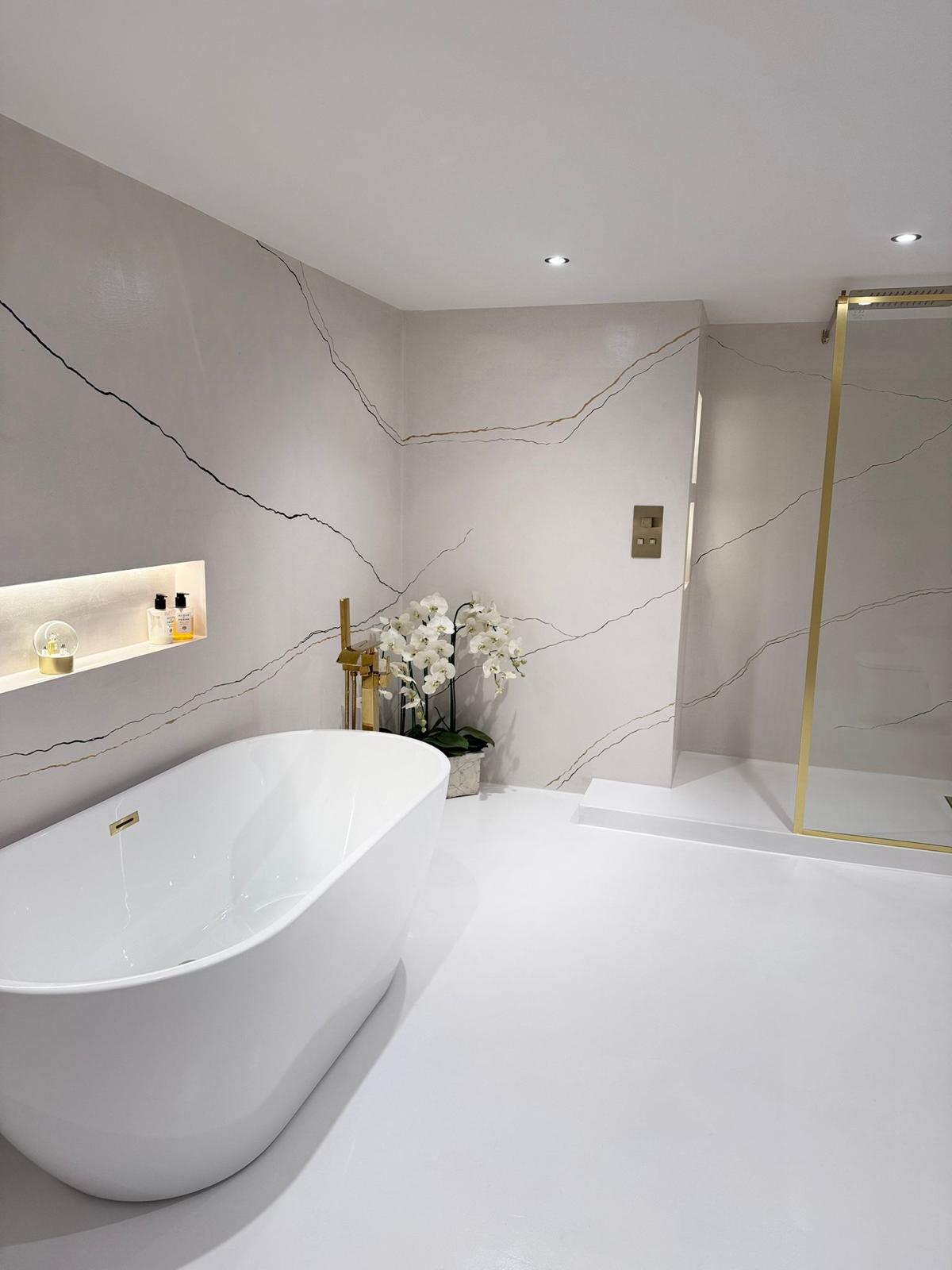
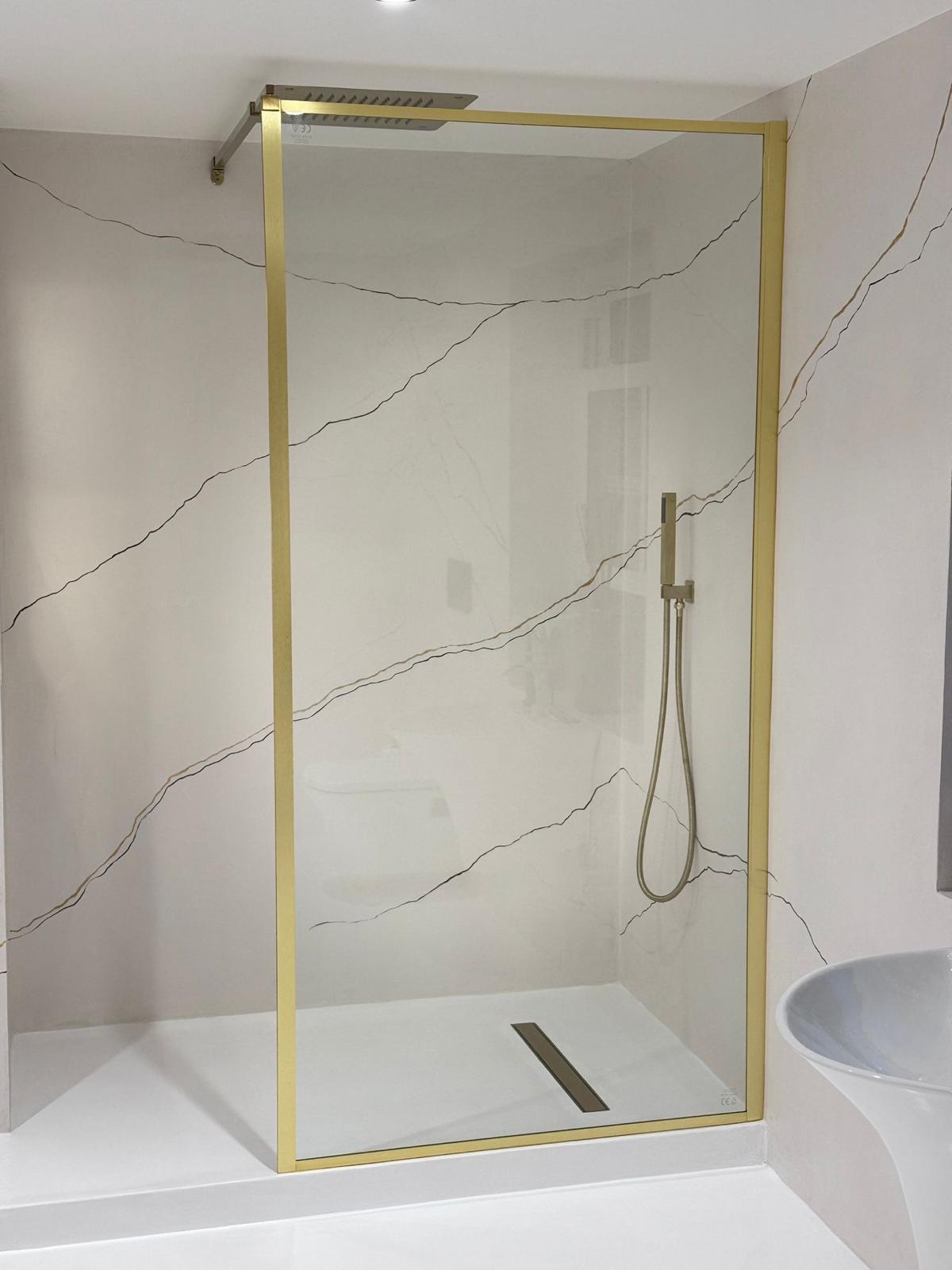
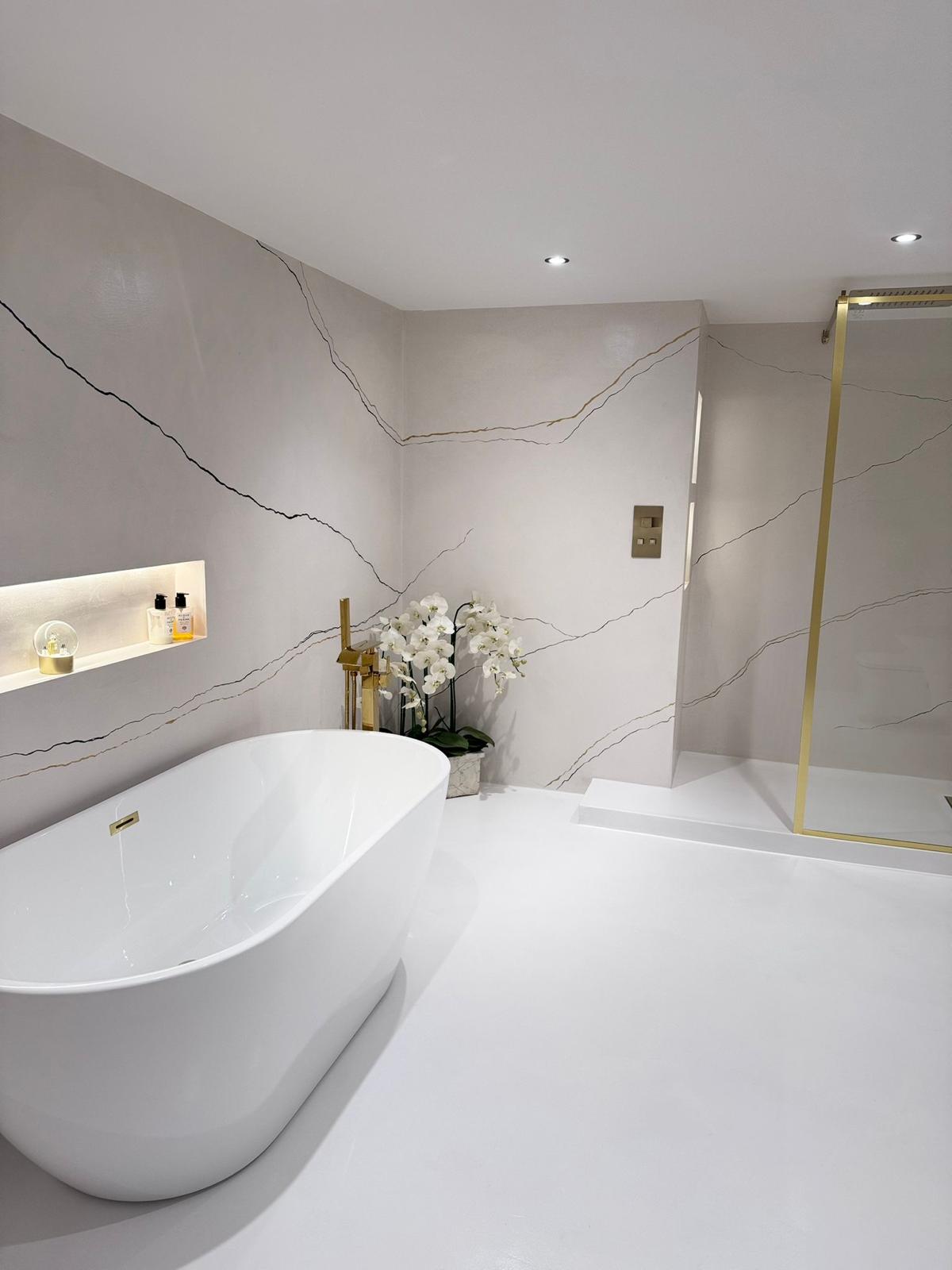
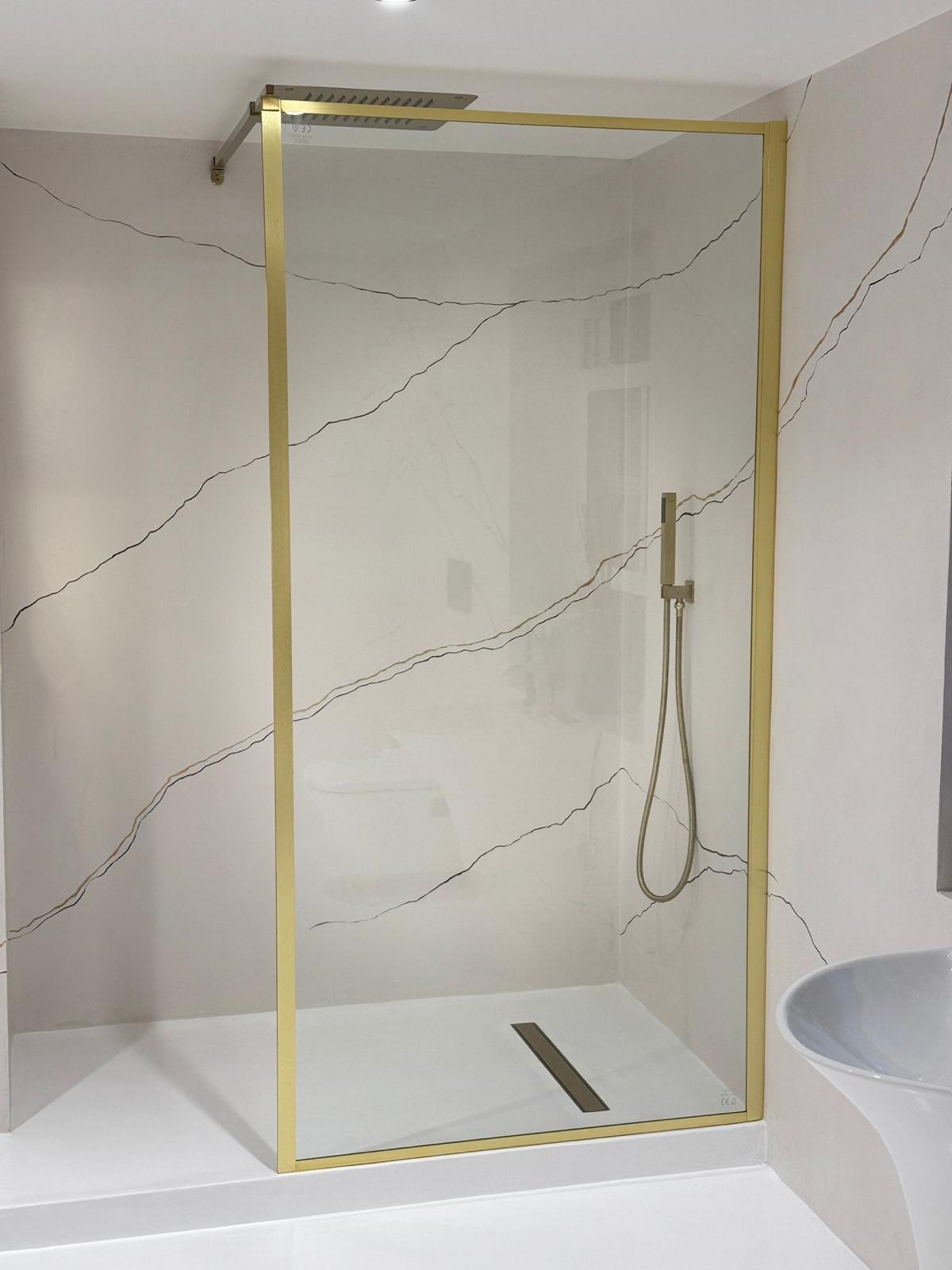
A bathroom or wet room finished in seamless micro cement — no tiles, no grout lines, laid straight over what is already there, tanked and sealed to live with steam and shower water.

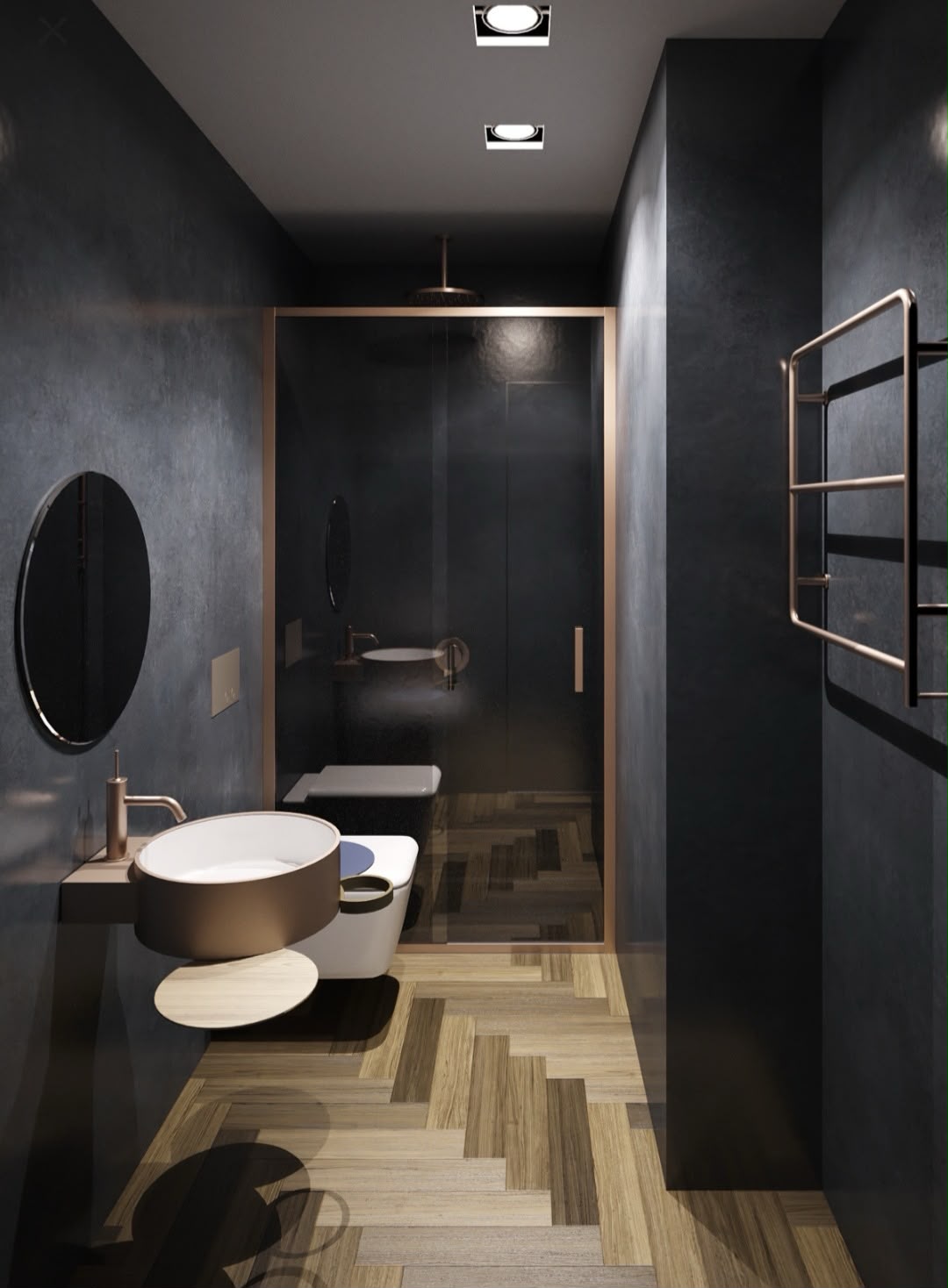
Seamless bathroom with veined plaster walls, freestanding bath and poured seamless floorWalk-in wet room shower with seamless veined walls, brass frame and no grout linesMicro cement bathroom with freestanding bath, veined walls and a seamless poured floorMicro cement shower enclosure with hand-drawn veining and brushed brass frameCharcoal micro cement bathroom with brushed brass fittings

Why micro cement suits wet rooms

Micro cement is a thin, polymer-modified cement coating trowelled by hand in successive 2–3 mm layers. In a bathroom that means a single continuous surface running from the floor up the shower wall and around the niche — the look people come to us for, with far less to clean than tile.

The finish is only as good as what sits under it, so wet areas are tanked first and the whole surface is sealed afterwards. Done in that order it is a hard-wearing, water-resistant bathroom surface rather than a decorative gamble.

Get a microcement bathroom quote

What you get

Seamless, joint-free surfaces

Micro cement is laid in thin coats across walls, floors, shower trays and bath panels with no tiles and no grout lines. Fewer joints means fewer places for water, mould and grime to sit — and a calmer, larger-looking bathroom.

Water-resistant when sealed properly

The system is built up over a waterproof tanking membrane in wet areas, then finished with a penetrating primer and two coats of polyurethane sealer. Sealed correctly, the surface shrugs off shower water, steam and everyday splashing.

Goes straight over existing tiles

In most bathrooms there is no need to rip out. At only 2–3 mm thick, micro cement bonds over sound tile, board or screed, so floor levels, door thresholds and existing sanitaryware usually stay exactly where they are.

Wraps around wet-room details

Curved walls, benches, niches, floating shelves, fall-to-drain shower floors and boxed pipework can all be carried in the same tone, so the whole room reads as one continuous surface.

Warm concrete tones, matte to polished

A wide tonal range from pale limestone and greige through to deep charcoal, finished matte, satin or polished. Matte and satin are the usual choice underfoot for grip in a shower area.

Easy to live with

No grout to scrub or re-colour. Warm water and a pH-neutral cleaner is all it needs; avoid bleach and abrasive pads, and the sealer can be refreshed years later without redoing the surface.

How the job runs

01

Survey and sample

We check the substrate, ventilation and falls, then leave a sample board in your own bathroom light so you can settle on tone and sheen.

02

Prep and tanking

Loose tile, silicone and old coatings are dealt with, movement joints treated, and wet areas tanked with a waterproof membrane and reinforcing tape.

03

Base coats

Two reinforced base coats are trowelled over a fibreglass mesh to lock the surface against hairline cracking.

04

Finish coats

Two fine micro cement coats are laid and worked back to bring out the cloudy, hand-trowelled movement in the finish.

05

Seal and hand over

Primer plus two coats of sealer, left to cure before the shower is used, then aftercare notes for keeping it looking right.

Common questions

Is micro cement suitable for a bathroom or wet room?

Yes — provided the wet areas are tanked before the micro cement goes on and the finished surface is sealed. It is used routinely on shower walls, wet-room floors, bath panels and vanity tops.

Can micro cement go over existing bathroom tiles?

In most cases yes. The tiles need to be well bonded and free of movement; grout lines are filled and the surface is primed and meshed before the base coats. That is what keeps disruption and cost down compared with a full strip-out.

Is a micro cement shower floor slippery?

A matte or satin sealer on the floor gives comparable grip to a matte tile. We keep polished sheens for walls and vanity areas rather than the shower base.

How long does a micro cement bathroom take?

A typical bathroom is around four to six working days on site including preparation and tanking, plus curing time before the shower can be used.

How much does a micro cement bathroom cost?

It is priced per square metre and depends on the area, the amount of detail such as niches and benches, and the condition of what is underneath. We quote after a survey — see the cost guide for how decorative surfaces are priced.

Pricing works the same way as our other hand-applied surfaces — see the Venetian plaster cost guide for how area, prep and detail change a quote, or read about our full micro cement service.

Thinking of a seamless bathroom?

Send over a couple of photos and rough measurements and we’ll come back with an honest view on whether micro cement is right for the room.